 Digital
 Ecommerce
 Marketing
 Search Engine
 Social Media
 Web
Web


 Hire
Hire


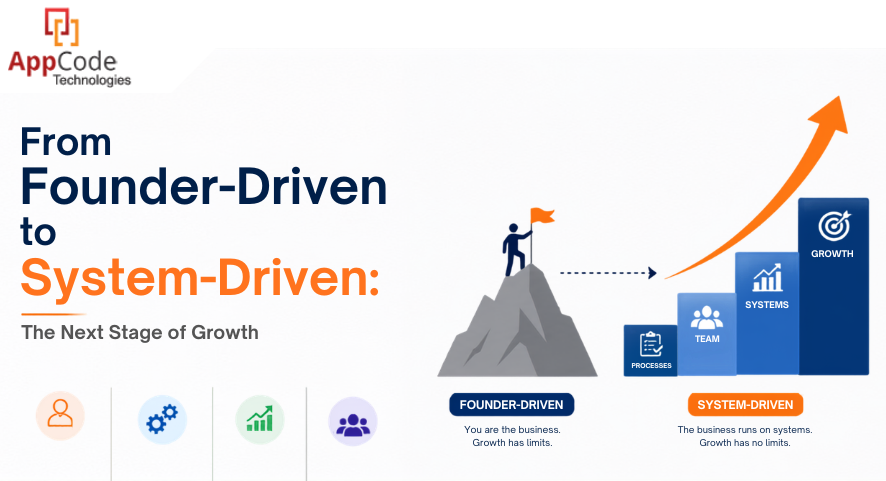
From Founder-Driven to System-Driven: The Next Stage of Growth
 18 Jul 2026
 AppCode Technologies
Every successful business usually begins with a strong founder. In the early years, the founder handles sales, operations, customer relationships, hiring, decisions, quality control, and growth planning. This founder-driven model works well in the beginning because speed, passion, and personal involvement help the business move forward quickly.
However, as the company grows, the same founder-driven approach can become a limitation. When every major decision depends on one person, growth becomes slow, teams become dependent, and operations become difficult to scale. What worked during the startup or early growth stage may not work when the business wants to expand into new markets, handle larger teams, improve lead generation, or build long-term stability.
This is where the next stage begins: moving from founder-driven to system-driven growth.
A system-driven business does not depend only on the founder’s daily involvement. It runs on clear processes, structured teams, real-time data, automation, reporting, technology, and defined responsibilities. This shift is important for companies that want to scale sustainably and reduce operational dependency.
What Does Founder-Driven Growth Mean?
Founder-driven growth means the business depends heavily on the founder’s decisions, relationships, experience, and direct involvement. In this model, the founder often manages multiple roles, including sales, marketing, client handling, team guidance, vendor decisions, hiring, finance, and overall strategy.
This model is common in many growing companies because the founder understands the business deeply and can make quick decisions. It also helps maintain quality in the early stage.
But over time, founder dependency creates challenges.
If the founder is unavailable, decisions slow down. If every team waits for approval, execution becomes delayed. If client relationships depend only on the founder, scaling becomes difficult. If marketing, sales, and operations are not documented, teams struggle to perform independently.
A founder-driven model can build the business, but a system-driven model helps scale it.
Why Founder-Driven Businesses Stop Scaling
Many businesses grow successfully to a certain level but then face stagnation. The reason is not always lack of demand. Often, the issue is lack of systems.
Common problems in founder-driven businesses include:
- Every decision depends on the founder
- Teams wait for approval before taking action
- Sales depend on personal relationships
- Marketing is inconsistent
- Processes are not documented
- Lead follow-ups are manual
- Reporting is delayed
- Customer data is scattered
- Team accountability is weak
- Growth planning is reactive instead of strategic
These problems become more serious as the company grows. A small team can manage through personal coordination, but a larger business needs structure.
What Is a System-Driven Business?
A system-driven business works through defined processes, tools, roles, responsibilities, data, and reporting. It does not mean the founder becomes less important. Instead, the founder moves from daily firefighting to strategic leadership.
In a system-driven company, sales teams follow a clear process. Marketing campaigns are tracked properly. Leads are captured and managed efficiently. Customer communication is organized. Teams know their responsibilities. Leadership gets real-time performance reports. Automation reduces manual work. Decisions are based on data, not only assumptions.
This creates stability and scalability.
A system-driven business can grow faster because it is not dependent on one person for every decision.
The Role of Digital Systems in Business Growth
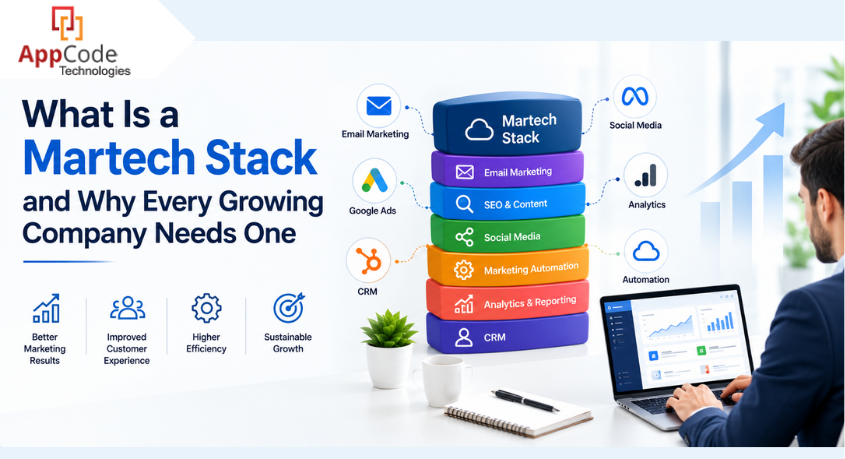
Modern growth requires more than hard work. It requires technology, data, automation, and digital visibility. Businesses that want to move from founder-driven to system-driven need digital systems that support sales, marketing, operations, and reporting.
Important digital systems include:
- Website and landing pages
- Lead management system
- Customer database
- Marketing automation tools
- Real-time reporting dashboard
- Business analytics tools
- Team performance tracking
- Digital marketing campaigns
- SEO strategy
- Customer communication workflows
These systems help businesses create repeatable growth processes. Instead of depending only on manual follow-ups or personal memory, the company can manage leads, campaigns, and performance in a structured way.
Why Marketing Needs to Become System-Driven
In founder-driven companies, marketing often happens randomly. A post is published when someone remembers. Ads are run without proper tracking. Website content is not updated regularly. Leads come from different channels but are not followed up properly.
This creates inconsistent results.
A system-driven marketing approach includes clear planning, campaign tracking, content strategy, SEO, paid ads, automation, and performance reporting. It helps businesses understand which campaign is working, which channel is generating leads, and which activity needs improvement.
For growing companies, marketing should not be treated as a temporary activity. It should become a measurable system that supports long-term lead generation and brand building.
Why Sales Needs Better Structure
Sales is one of the biggest areas affected by founder dependency. In many companies, the founder closes major deals, manages key clients, and handles important negotiations. This works for some time, but it limits growth.
A system-driven sales process ensures that leads are captured, assigned, followed up, tracked, and converted through a clear pipeline.
A strong sales system includes:
- Lead source tracking
- Follow-up reminders
- Sales pipeline stages
- Customer communication history
- Proposal tracking
- Team-wise performance
- Conversion reports
- Monthly sales forecasting
This helps reduce missed opportunities and improves accountability.
Real-Time Data Helps Founders Make Better Decisions
One major difference between founder-driven and system-driven companies is data visibility. In founder-driven businesses, decisions often depend on experience, instinct, or delayed reports. In system-driven companies, decisions are supported by real-time data.
Real-time data helps leadership understand:
- How many leads came this week
- Which marketing channel is performing best
- Which sales executive has pending follow-ups
- Which campaigns are wasting money
- Which services are getting more inquiries
- What is the conversion rate
- Where customers are dropping off
- Which process needs improvement
When founders get clear data, they can focus on strategy instead of daily confusion.
Automation Reduces Manual Dependency
Manual work slows down business growth. If teams manually assign leads, send reminders, update reports, follow up with customers, and track campaign performance, errors and delays increase.
Automation helps reduce this dependency.
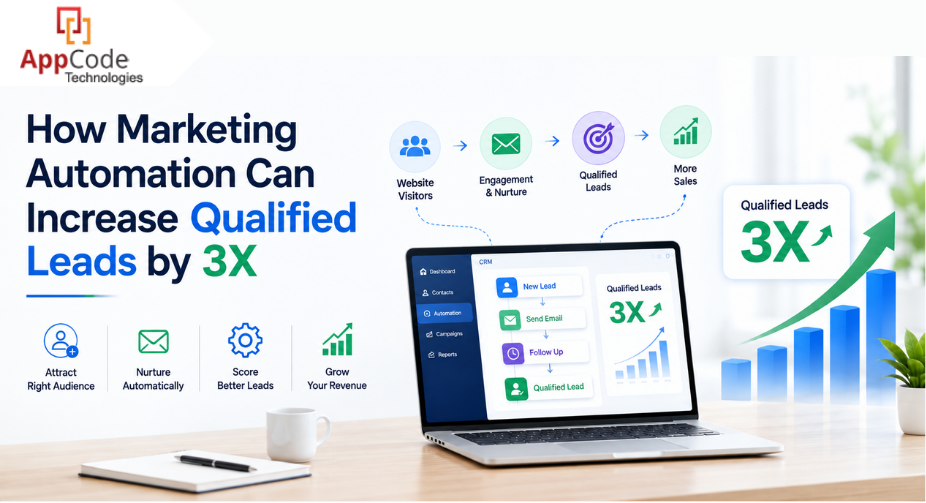
Marketing automation can help with lead assignment, email follow-ups, WhatsApp reminders, customer nurturing, reporting, and campaign tracking. Business automation can improve internal workflows, approvals, task management, and customer communication.
Automation does not replace people. It helps people work better, faster, and more consistently.
Building a Team That Can Execute Without Constant Supervision
A system-driven business needs a team that understands roles and responsibilities clearly. When everything depends on the founder, employees may not take ownership. But when systems are defined, teams can perform with more confidence.
To build such a team, companies need:
- Clear job roles
- Defined processes
- Performance metrics
- Training systems
- Reporting structure
- Team accountability
- Department-wise goals
- Regular review meetings
This allows the founder to move from execution to leadership.
Benefits of Moving from Founder-Driven to System-Driven Growth
Shifting to a system-driven model can create major business benefits:
- Faster decision-making
- Reduced founder dependency
- Better team accountability
- Improved lead management
- Stronger sales process
- Better marketing performance
- Clear reporting and analytics
- Higher customer satisfaction
- Scalable operations
- Long-term business stability
A system-driven company is easier to manage, easier to scale, and easier to improve.
How Businesses Can Start the Shift
The shift from founder-driven to system-driven does not happen overnight. It should be done step by step.
First, identify the areas where the business depends too much on the founder. This may include sales, client communication, approvals, marketing, hiring, finance, or operations.
Second, document key processes. Teams should know how tasks are done, who is responsible, and what the expected outcome is.
Third, implement digital tools for lead management, reporting, marketing automation, and business analytics.
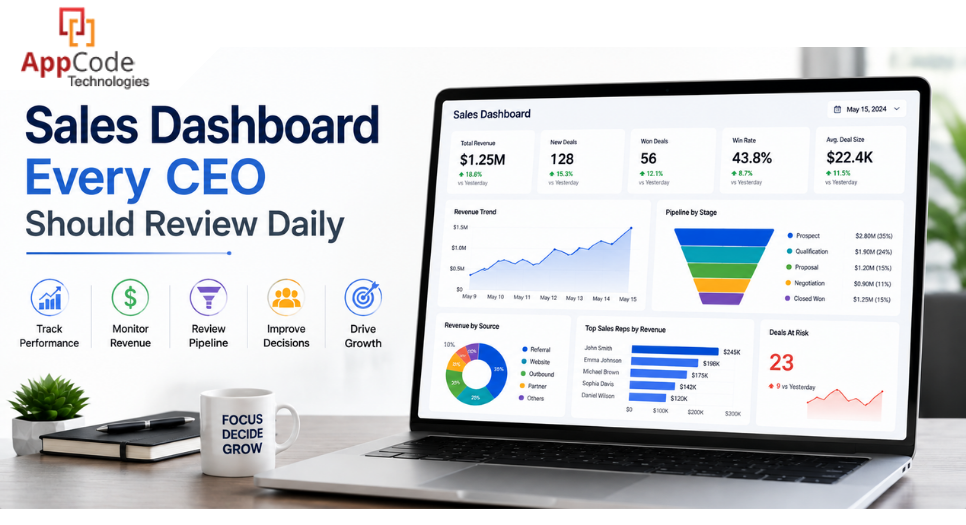
Fourth, create performance dashboards so leadership can track progress clearly.
Fifth, train teams to take ownership and make decisions within defined systems.
Finally, review and improve the systems regularly.
Why This Shift Is Important for the Next Stage of Growth
Every business that wants to scale must eventually reduce dependency on individual effort and increase dependency on systems. Founder vision is important, but systems convert that vision into repeatable execution.
A founder-driven company can grow through personal strength. But a system-driven company can grow through structure, people, technology, data, and process.
For businesses that want to expand into new markets, improve lead generation, build a stronger digital presence, and manage larger teams, this shift is essential.
Conclusion
Moving from founder-driven to system-driven is one of the most important stages in business growth. In the early phase, founder involvement helps build the foundation. But after a certain level, too much founder dependency can slow down decisions, limit team ownership, and restrict scalability.
A system-driven business creates clarity, consistency, and control. It uses digital tools, automation, real-time data, structured marketing, sales processes, and performance tracking to support sustainable growth.
For companies planning the next stage of growth, AppCode Technologies helps build digital systems through website development, SEO, digital marketing, marketing automation, ecommerce solutions, real-time reporting, and business growth technology. With the right systems in place, businesses can reduce dependency, improve performance, and scale with confidence.
FAQs
1. What is the difference between founder-driven and system-driven growth?
Founder-driven growth depends heavily on the founder’s decisions, relationships, and daily involvement. System-driven growth depends on defined processes, teams, data, automation, and reporting systems that allow the business to operate and scale more independently.
2. Why do founder-driven businesses struggle to scale?
Founder-driven businesses struggle to scale because decisions become centralized, teams depend too much on approvals, processes are not documented, and sales or marketing may rely on personal effort instead of structured systems.
3. How can digital systems help business growth?
Digital systems help businesses manage leads, track campaigns, automate follow-ups, monitor sales performance, improve reporting, and make faster decisions. They reduce manual dependency and create a scalable growth structure.
4. Why is real-time data important in a system-driven business?
Real-time data helps leadership understand current business performance, campaign results, sales pipeline status, lead quality, and team productivity. It allows faster decision-making and better control.
5. How can a company start moving toward system-driven growth?
A company can start by documenting processes, defining team roles, setting up lead management systems, using automation tools, building reporting dashboards, and training teams to take ownership of execution.
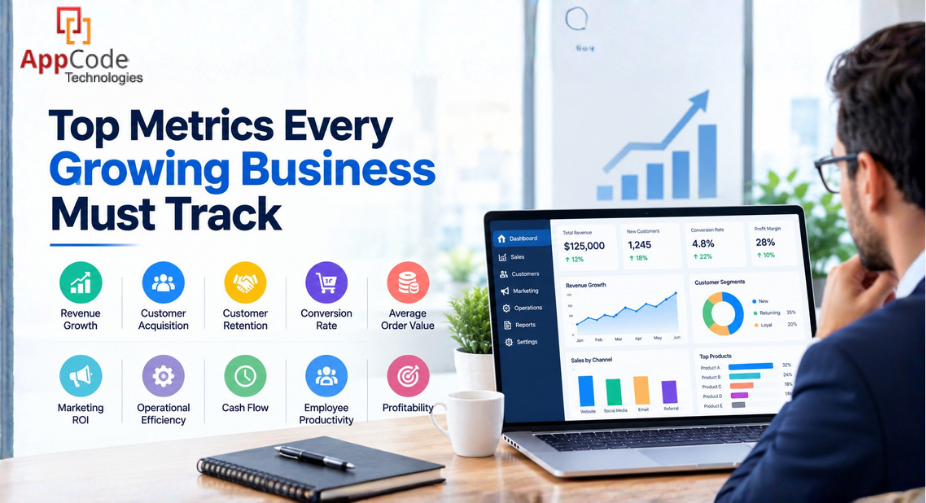
Top Metrics Every Growing Business Must Track
KPI Dashboard Framework for Manufacturing Companies
How Business Intelligence Helps CEOs Make Better Decisions
Why Most Companies Fail at Digital Marketing Despite Spending Lakhs
The Future of Lead Generation in the AI Era
Top Metrics Every Growing Business Must Track
KPI Dashboard Framework for Manufacturing Companies
How Business Intelligence Helps CEOs Make Better Decisions
Why Most Companies Fail at Digital Marketing Despite Spending Lakhs
The Future of Lead Generation in the AI Era
How Marketing Automation Can Increase Qualified Leads by 3X
What Is a Martech Stack and Why Every Growing Company Needs One
Sales Dashboard Every CEO Should Review Daily
How Technology Can Reduce Sales Leakage by 20-30%